
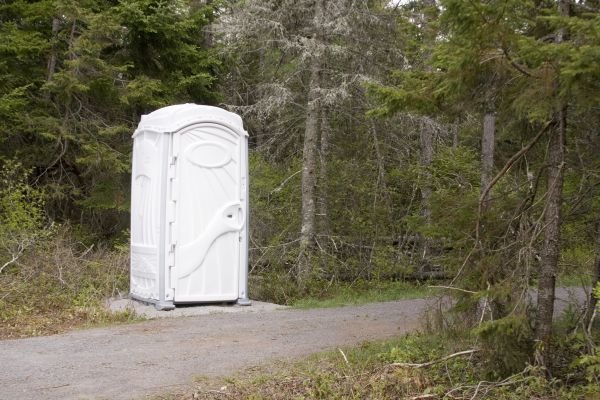
Winter Porta Potty Maintenance
Winter Porta Potty Maintenance refers to the specific cleaning, servicing, and protection practices required to keep portable toilets functional, sanitary, and compliant during cold-weather conditions. Freezing temperatures introduce challenges that do not exist in warmer months, including frozen waste tanks, cracked components, unusable handwashing stations, and increased health risks if units are not properly maintained.
This topic matters because winter failures are not just inconvenient—they can shut down job sites, violate sanitation regulations, and create serious safety concerns. Many people assume portable toilets can be treated the same year-round, but cold weather fundamentally changes how these units must be managed.
In this guide, you’ll learn exactly how winter porta potty maintenance works, what changes during freezing conditions, which components are most vulnerable, and how to prevent the most common cold-weather problems. Whether you manage a construction site, oversee a long-term rental, or plan winter events, this article provides a complete, practical framework.
Direct Answer: What Is Winter Porta Potty Maintenance?
Winter porta potty maintenance is the process of adapting portable toilet servicing, setup, and materials to prevent freezing, ensure sanitation, and maintain usability in cold weather.
It includes:
- Using non-freezing chemicals in waste tanks
- Increasing service monitoring during freeze-thaw cycles
- Protecting components from cracking or freezing
- Adjusting handwashing and water systems
- Ensuring compliance with sanitation requirements despite winter conditions
Without these adjustments, portable toilets can become unusable or unsafe during winter.
In-Depth Breakdown of Winter Porta Potty Maintenance
How Cold Weather Affects Portable Toilets
Portable toilets rely on liquid-based systems. When temperatures drop below freezing, those liquids can solidify, causing operational failures.
Key winter risks include:
- Frozen waste tanks
- Cracked plastic components
- Inoperable doors or hinges
- Frozen handwashing stations
- Increased odor from reduced biological activity
Winter maintenance exists to counteract these effects.
Waste Tank Freezing & Chemical Adjustments
Cold-Weather Deodorizing Chemicals
Standard blue chemicals are designed for moderate temperatures. In winter, providers use cold-weather or antifreeze-treated solutions that:
- Lower the freezing point of tank contents
- Maintain bacterial activity for odor control
- Prevent solid waste from freezing to the tank walls
These solutions are essential for any winter deployment.
Servicing Frequency in Winter
Contrary to popular belief, winter does not eliminate the need for regular service.
In fact:
- Tanks still fill, even if usage is reduced
- Frozen waste is harder to pump if neglected
- Ice buildup worsens over time
Most winter rentals still require weekly service, with additional checks during extreme cold snaps.
Handwashing Stations & Water Systems
Why Water-Free Options Are Common in Winter
Water-based handwashing stations are highly susceptible to freezing. As a result:
- Many winter setups switch to hand sanitizer stations
- Self-contained water systems may be winterized or removed
- Heated or insulated stations are used only in specialized cases
This adjustment is common and generally accepted by regulators when freezing temperatures make water impractical.
Structural Protection & Placement
Ground Conditions
Frozen ground affects stability and access:
- Units must be placed on level, compacted surfaces
- Ice buildup around entryways increases slip risk
- Snow removal must be planned to maintain accessibility
Wind & Exposure
Cold wind accelerates freezing and discomfort:
- Wind barriers or sheltered placement helps usability
- Units placed in shaded areas may freeze faster than those with sun exposure
Locking & Security Adjustments
Winter conditions increase the likelihood of:
- Doors freezing shut
- Locks breaking due to brittle plastic
- Vandalism when sites are unattended
Routine inspection of doors, hinges, and latches is part of winter maintenance protocols.
Regulatory & Compliance Considerations
Sanitation Requirements Do Not Stop in Winter
OSHA and health departments still require:
- Accessible restroom facilities
- Sanitary conditions
- Ongoing maintenance
Cold weather is not an exemption. Winter maintenance ensures compliance continues uninterrupted.
Real-World Examples & Use Cases
Construction Sites
Construction projects often continue year-round. Winter maintenance ensures:
- Toilets remain usable for daily crews
- Tanks do not freeze solid
- Service trucks can access units despite snow
Road & Utility Work
These sites face extreme exposure:
- Units require heavy-duty winter chemicals
- Placement must account for snow plows and ice buildup
- Frequent monitoring is essential
Long-Term Winter Rentals
For multi-month winter rentals:
- Maintenance plans are adjusted upfront
- Chemical concentrations are modified
- Handwashing alternatives are planned in advance
Winter Events
Events like holiday markets or winter festivals:
- Require short-term winterized units
- Often rely on sanitizer stations instead of water
- Need pre-event and post-event servicing due to temperature swings
Benefits, Pros & Cons of Proper Winter Maintenance
Benefits
- Prevents frozen, unusable toilets
- Reduces emergency service calls
- Maintains sanitation compliance
- Extends equipment lifespan
Pros
- Predictable performance in cold weather
- Safer, cleaner restrooms for users
- Fewer disruptions to work or events
Cons
- Slightly higher servicing costs
- Limited water-based handwashing options
- Increased planning required
Common Mistakes & Misconceptions
“Usage Is Low, So Maintenance Isn’t Needed”
Even minimal use introduces moisture that can freeze and cause damage.
“Cold Weather Kills Odors”
Cold slows bacteria but does not eliminate odor-causing waste. Without proper chemicals, smells can worsen.
“Handwashing Stations Always Work in Winter”
Most water-based systems freeze without insulation or heat.
“Frozen Tanks Can Be Pumped Later”
Frozen waste becomes harder and more expensive to remove if neglected.
“Winter Is a Downtime Season”
Many industries operate year-round and require uninterrupted sanitation access.
Frequently Asked Questions
Do porta potties freeze in winter?
Yes, without proper chemicals and maintenance, waste tanks and components can freeze.
How often should winter porta potties be serviced?
Typically weekly, with additional monitoring during extreme cold.
Can handwashing stations be used in winter?
Water-based stations often freeze; sanitizer alternatives are commonly used.
Does winter maintenance cost more?
Slightly, due to specialized chemicals and increased monitoring.
Are winter porta potties still required by regulations?
Yes. Cold weather does not remove sanitation requirements.
What happens if a tank freezes solid?
It may require thawing or replacement, increasing downtime and cost.
Conclusion
Winter porta potty maintenance is not optional—it’s a critical adaptation to cold-weather realities. Freezing temperatures change how portable toilets function, how they must be serviced, and how sanitation compliance is maintained.
By using cold-weather chemicals, adjusting servicing practices, protecting vulnerable components, and planning placement carefully, portable toilets remain functional and sanitary throughout winter. The key is proactive management. When winter maintenance is handled correctly, portable restrooms continue to do their job quietly and reliably—even in the harshest conditions.