
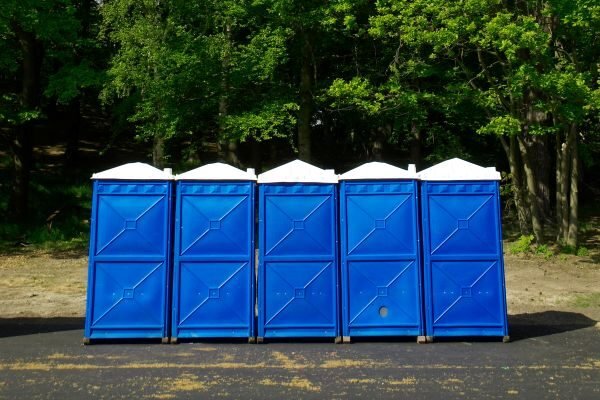
How Many Porta Potties Do You Need
Understanding how many porta potties do you need is one of the most important planning decisions for any event, job site, or temporary gathering. Too few restrooms lead to long lines, unsanitary conditions, and frustrated users. Too many can waste budget and space. The right number depends on attendance, duration, usage patterns, and compliance requirements—not guesswork.
This guide explains how to calculate the correct number of portable restrooms for virtually any situation. You’ll learn the standard formulas used across the construction and events industries, the factors that change those numbers, and how different scenarios—like alcohol service or long-term job sites—affect demand. Whether you’re planning a one-day festival, managing a construction project, or organizing a private event, this article gives you a clear, practical framework to make the right call.
Direct Answer: How Many Porta Potties Do You Need?
The number of porta potties you need depends on how many people will use them, how long they’ll be used, and how frequently they’ll be serviced.
As a general rule:
- For events, one standard portable toilet can serve about 50 people for up to 4 hours.
- For longer events or higher usage, additional units are required.
- Construction sites typically follow OSHA-style guidelines based on worker count and shift length.
This baseline changes with alcohol service, food consumption, ADA requirements, and whether handwashing stations are provided.
In-Depth Breakdown: How the Calculation Works
The Core Formula
At its simplest, porta potty planning considers three variables:
- Number of people
- Length of use
- Service frequency
If any of these increase, the number of required units increases.
Event-Based Planning
Attendance Size
Larger crowds generate more restroom traffic. A group of 50 people creates predictable usage, but once attendance reaches hundreds or thousands, small miscalculations can create bottlenecks.
Event Duration
A 2-hour ceremony needs fewer units than an 8-hour festival. Multi-day events require additional units or daily servicing.
Food and Beverage Service
Food increases restroom use. Alcohol increases it significantly. Events serving alcohol often require 20–30% more units than dry events of the same size.
Peak Usage Periods
Restroom demand spikes during breaks, intermissions, and immediately after meals. Planning for average usage alone is risky.
Construction & Job Site Planning
Worker Count
Construction planning often uses guidelines similar to:
- 1–20 workers: minimum of 1 unit
- 21–50 workers: 2 units
- Additional units added as crew size increases
Shift Length
A standard 8-hour shift generates predictable use. Overtime, multiple shifts, or 24-hour operations require more units or increased servicing.
Service Schedule
Weekly servicing is standard. High-use sites may require more frequent cleaning, which can reduce the total number of units needed.
ADA & Accessibility Requirements
Public events and many job sites require at least one ADA-accessible unit. These do not replace standard units—they are added to the total count.
Handwashing Stations
While handwashing stations don’t reduce the number of toilets needed, they improve sanitation and compliance. Some jurisdictions require them for food service or construction sites.
Real-World Examples & Use Cases
Small Private Event (50 People, 4 Hours)
- 1 standard unit
- Consider 1 additional unit if alcohol is served
Medium Event (150 People, 6 Hours, Food & Alcohol)
- 4–5 standard units
- 1 ADA-accessible unit
- 1–2 handwashing stations
Large Festival (1,000+ People, All Day)
- 20+ standard units
- Multiple ADA units
- Dedicated servicing during the event
Residential Construction Site (10 Workers, 8 Hours)
- 1 standard unit
- Weekly service
Commercial Construction Project (40 Workers, Long-Term)
- 2–3 standard units
- Weekly or bi-weekly servicing depending on use
Emergency or Disaster Response
- Units scaled rapidly based on displaced population size
- Higher density planning due to continuous use
Benefits, Pros & Cons of Getting the Number Right
Benefits
- Shorter lines and better user experience
- Improved sanitation and hygiene
- Compliance with health and safety expectations
- Reduced risk of emergency servicing costs
Pros
- Predictable costs
- Smoother event or job site operations
- Fewer complaints and disruptions
Cons
- Overestimating can increase rental costs
- Underestimating leads to unsanitary conditions and reputational risk
- Last-minute adjustments are often more expensive
Common Mistakes & Misconceptions
“One Porta Potty Is Enough”
This is the most common mistake. Even small groups can overwhelm a single unit if usage is concentrated.
“Short Events Don’t Need Planning”
Even a 2-hour event can experience peak congestion if breaks or meal times align.
“ADA Units Replace Standard Units”
Accessible units are additional, not substitutes.
“Weekly Service Always Works”
High-use sites often need more frequent servicing to remain sanitary.
“Alcohol Doesn’t Change Much”
Alcohol dramatically increases restroom usage and wait times.
Frequently Asked Questions
How many porta potties do I need for 100 people?
For a 4-hour event, about 2 units. For longer events or alcohol service, plan for 3–4.
How many porta potties are required for a construction site?
It depends on worker count and shift length, but one unit typically supports up to 20 workers per shift.
Do I need an ADA porta potty?
Public events and many commercial sites require at least one ADA-accessible unit.
How often should porta potties be serviced?
Most rentals include weekly service, but high-traffic locations may need more frequent cleaning.
Can handwashing stations reduce the number of toilets needed?
No. They improve hygiene but do not replace toilet capacity.
What happens if I underestimate?
Overuse leads to unsanitary conditions, complaints, emergency servicing fees, and potential shutdowns.
Knowing how many porta potties do you need isn’t about guessing—it’s about applying clear guidelines to real-world conditions. Attendance size, duration, alcohol service, worker count, and service schedules all matter. When these factors are planned correctly, portable restrooms remain clean, accessible, and unobtrusive.
Whether you’re organizing an event or managing a job site, using a structured approach ensures compliance, comfort, and cost control. Thoughtful planning upfront prevents problems later—and keeps everything running smoothly when it matters most.